Creating Sustainable Access to Clean Water, Sanitation and Better Living
We work to improve the health, livelihoods and economic opportunities of communities through sustainable water supply, sanitation and hygiene solutions.
By combining appropriate technology, local entrepreneurship and community participation, we help households and communities access practical solutions that make a lasting difference.
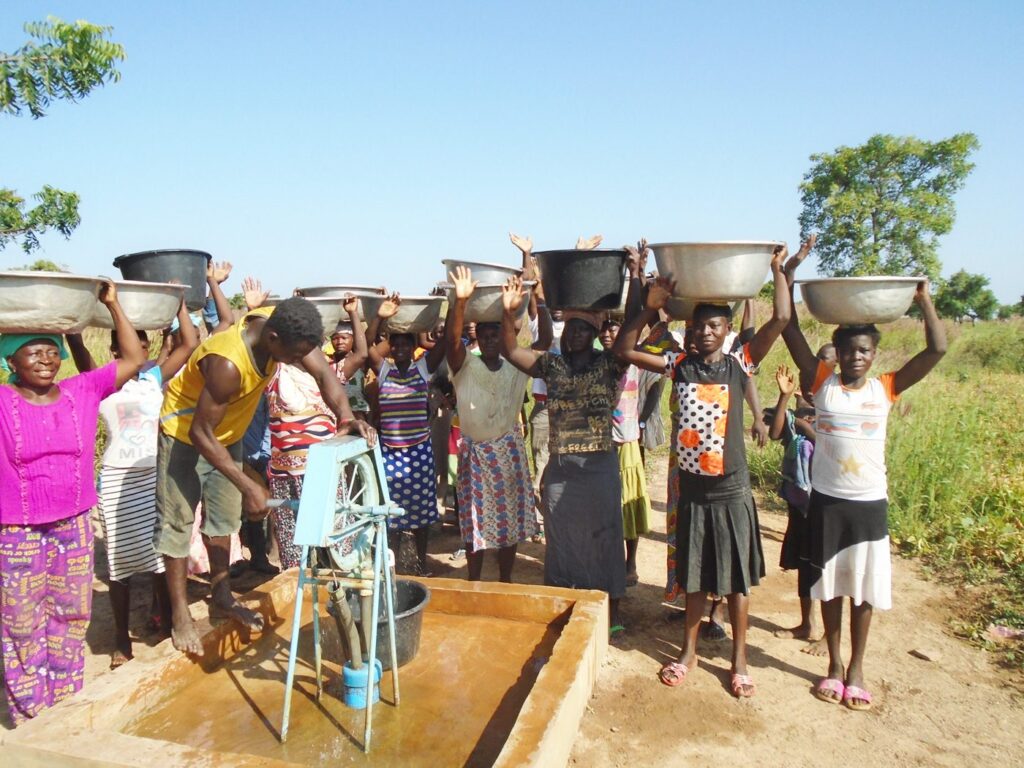
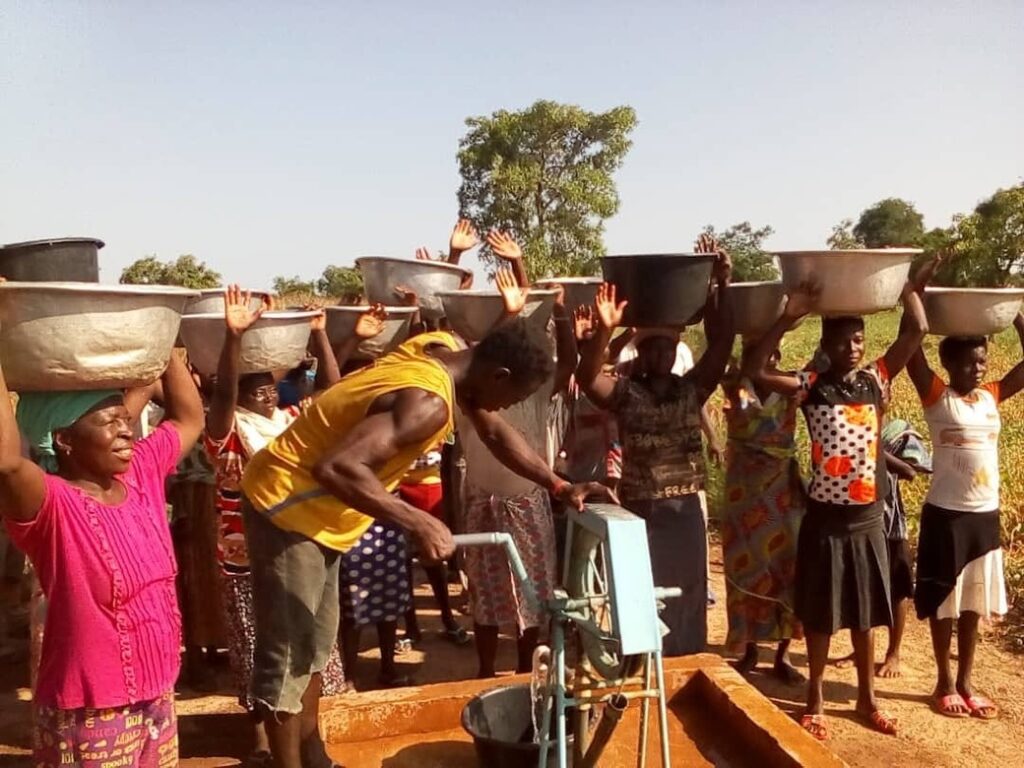
Access to safe and reliable water sources for healthier lives.
Better Health
Reduced waterborne diseases and improved community well-being.
Stronger Communities
Empowering people through education and sustainable solutions.
A Sustainable Future
Building long-term change for generations to come.
Our Vision
To make the organization the most dependable and easily accessible water and sanitation development organization in the rural and urban communities of Ghana.
Our Mission
To be an established organization in the water, sanitation and hygiene development sector in Ghana, satisfying the expectations of stakeholders through the provision of sustainable services which are based on innovation by appropriate technologies, demand responsive and market based approaches.
Who we are
Building Healthier Communities Through Water, Sanitation and Hygiene
Pumping Is Life is a Ghanaian nonprofit organization committed to improving access to quality water, sanitation and hygiene services.
We implement and provide quality water, sanitation and hygiene services that contribute to health and creating wealth to alleviate poverty using the systems approach: services that meet the needs of households in both rural and urban communities. It is inherent in the products and services our WASH projects provide to serve the needs of the bottom of the pyramid group using innovation, technology and market based approaches.
We believe that access to clean water and proper sanitation is fundamental to good health, human dignity and economic development.
Our work focuses on practical, affordable and sustainable solutions that improve access to water, sanitation and hygiene services.
Water Supply Solutions
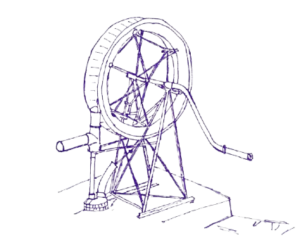
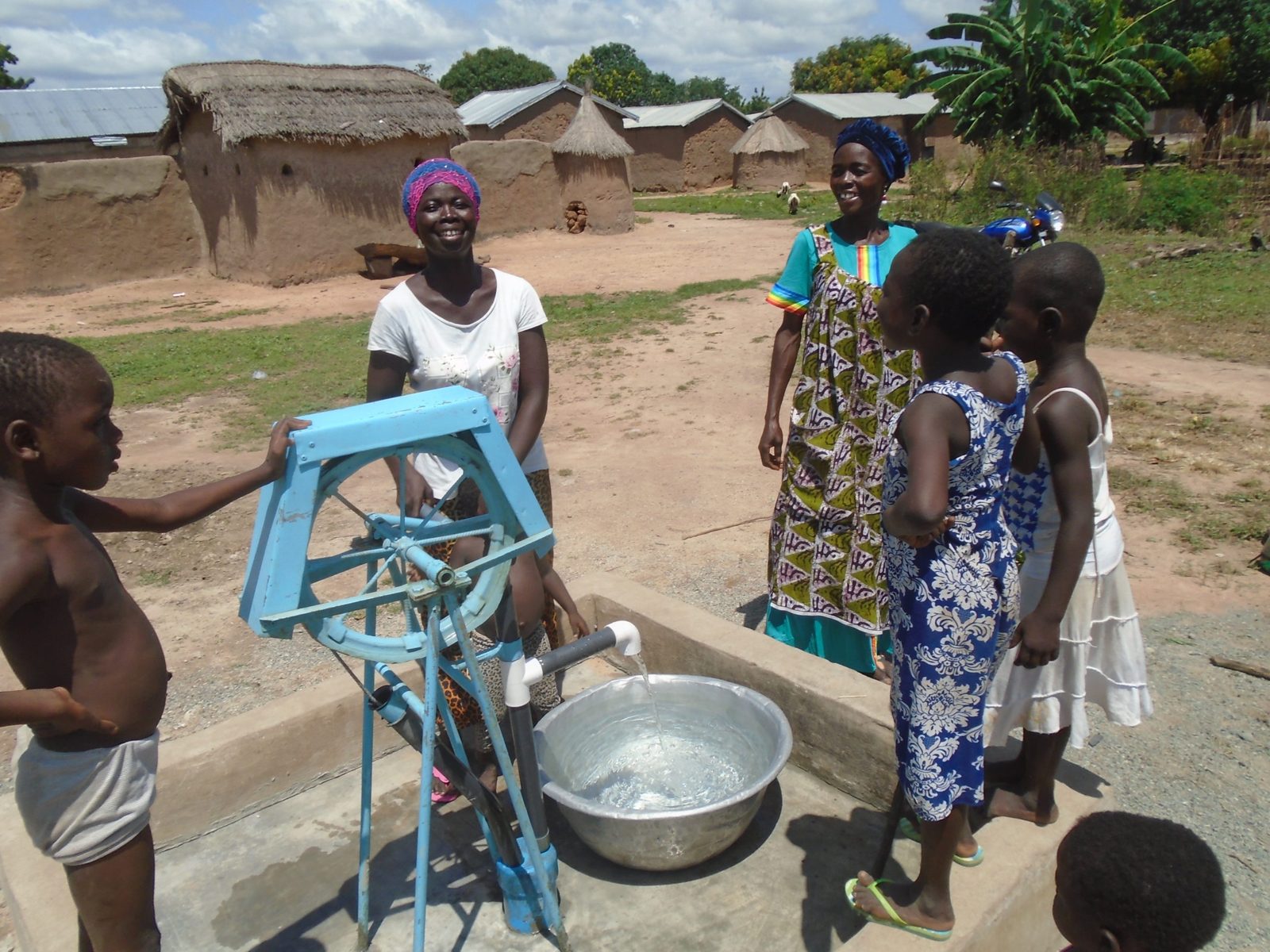
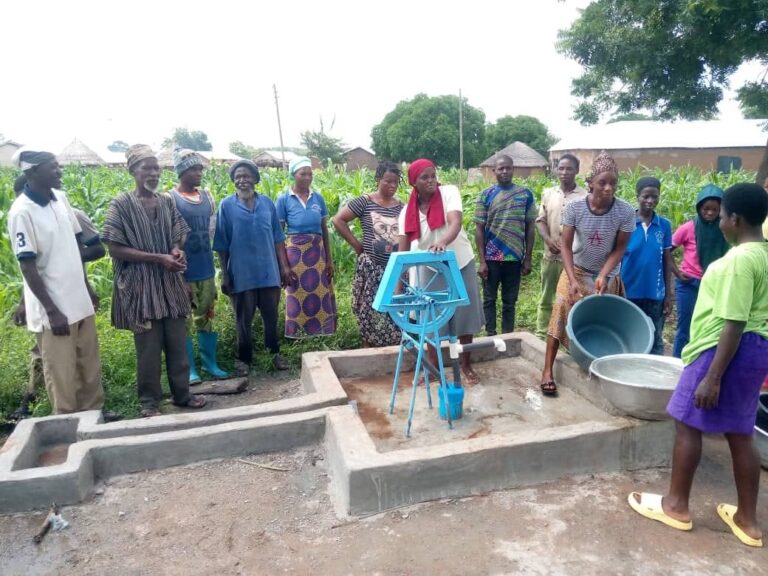
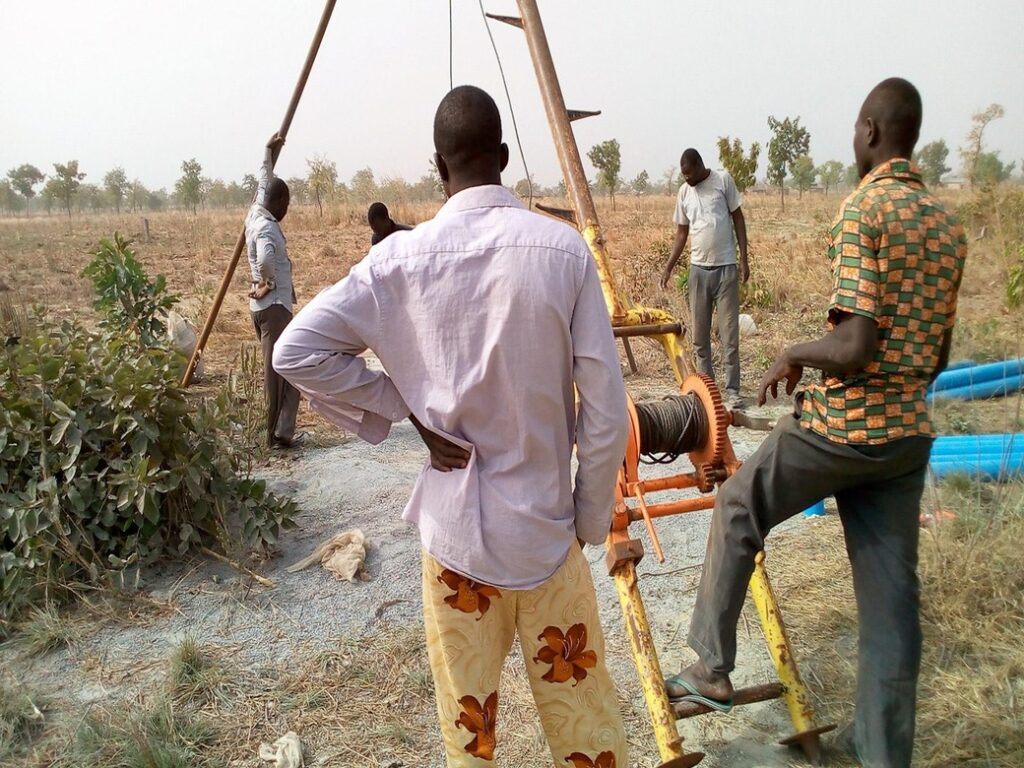
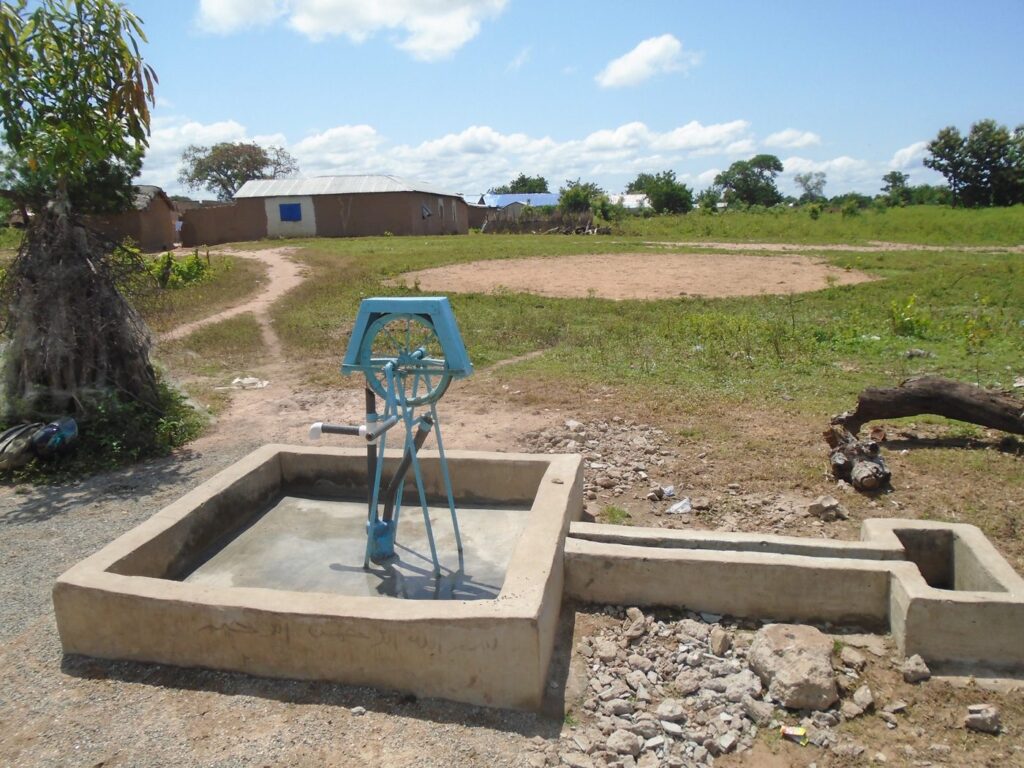
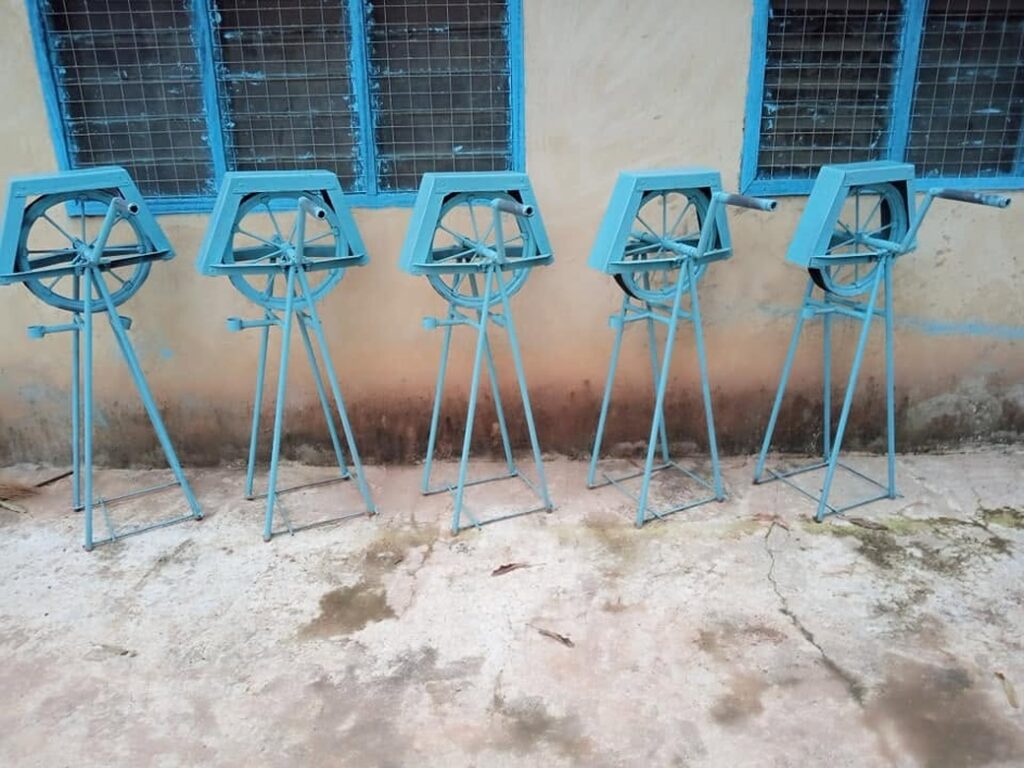
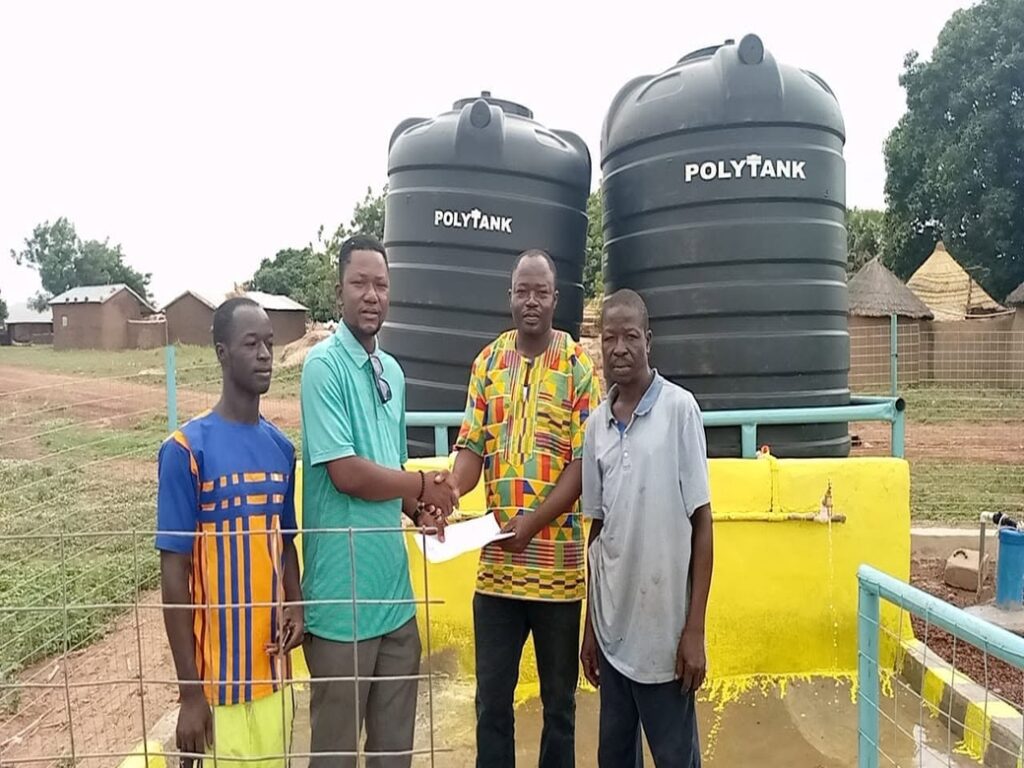
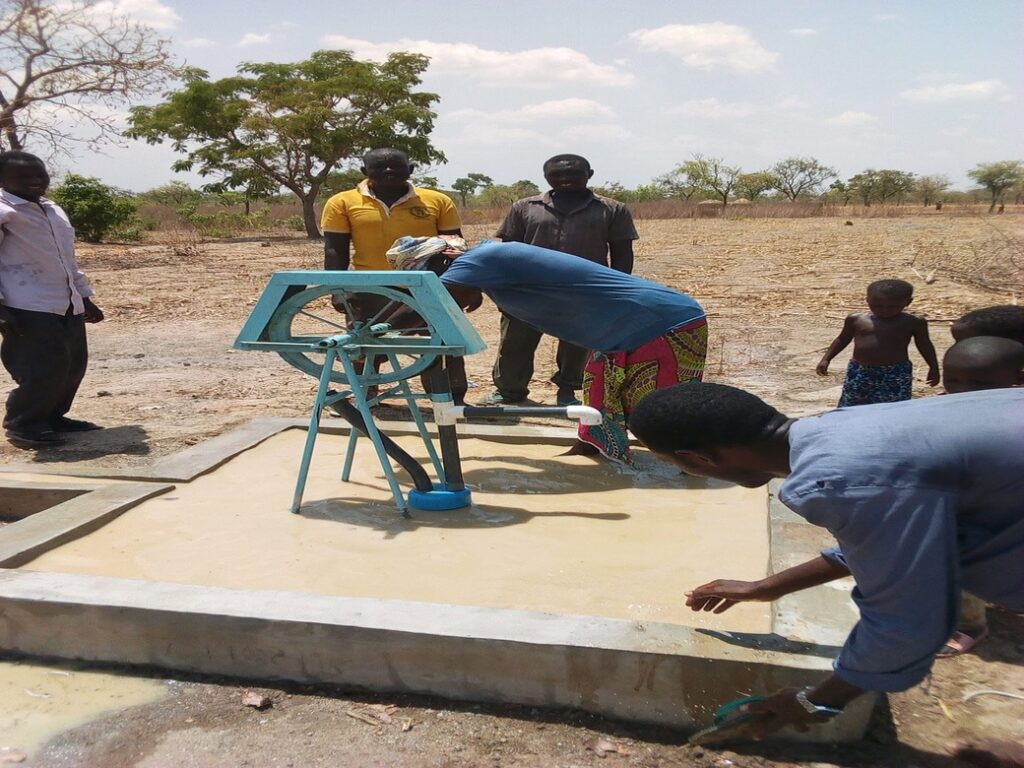
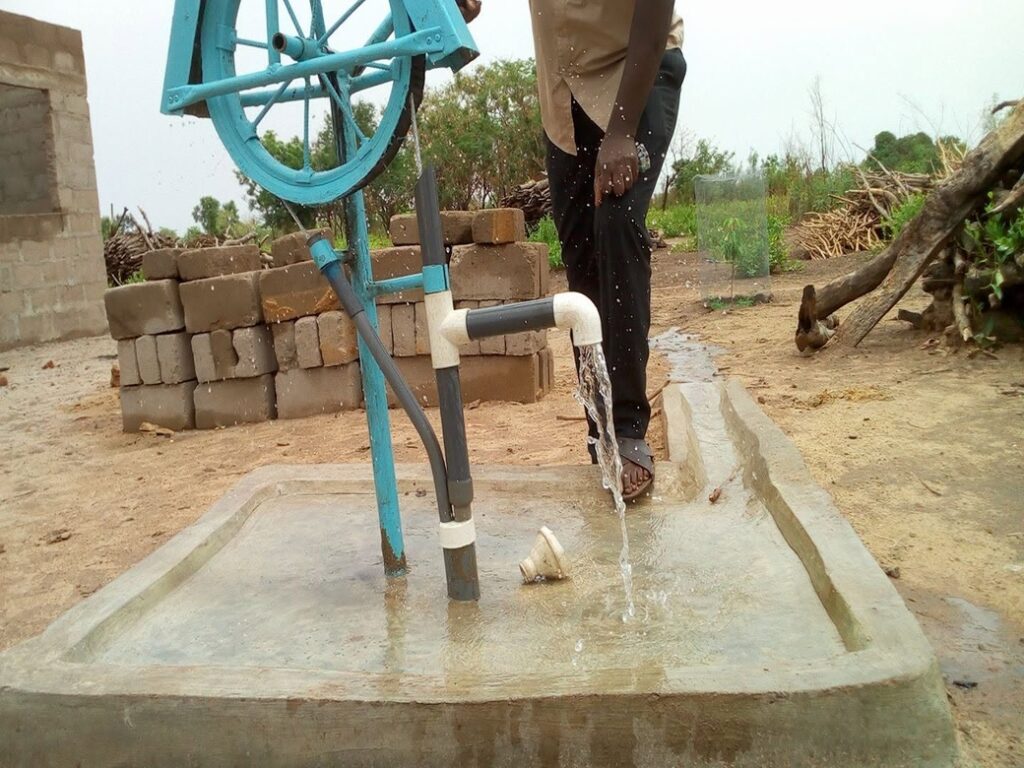
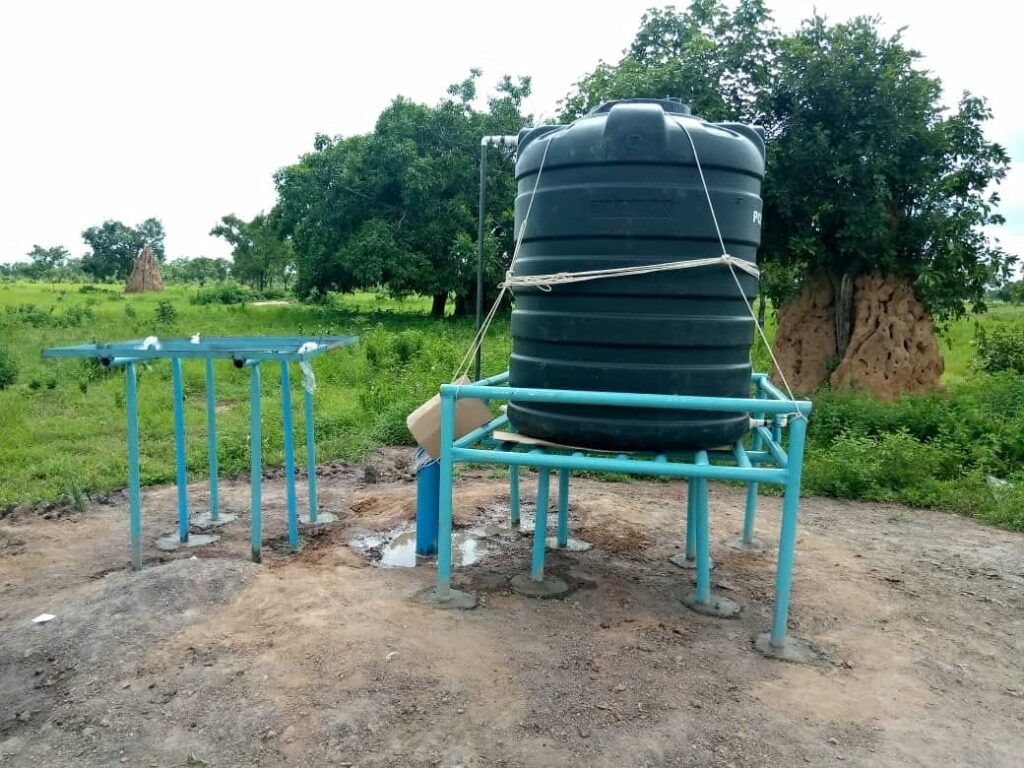
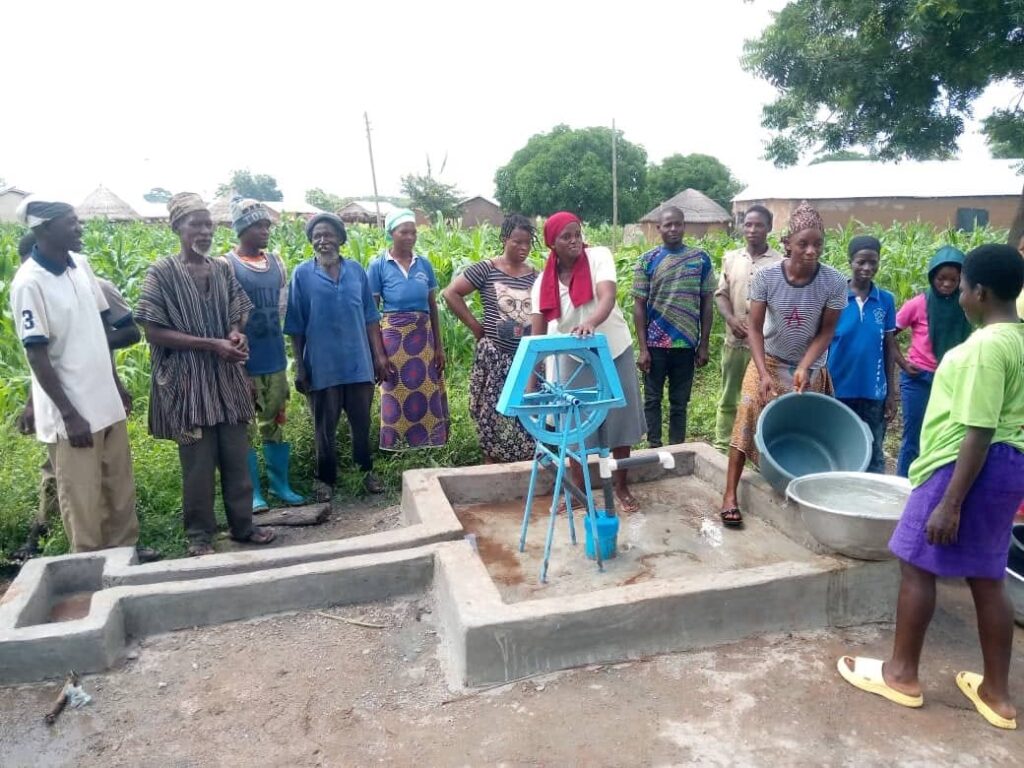
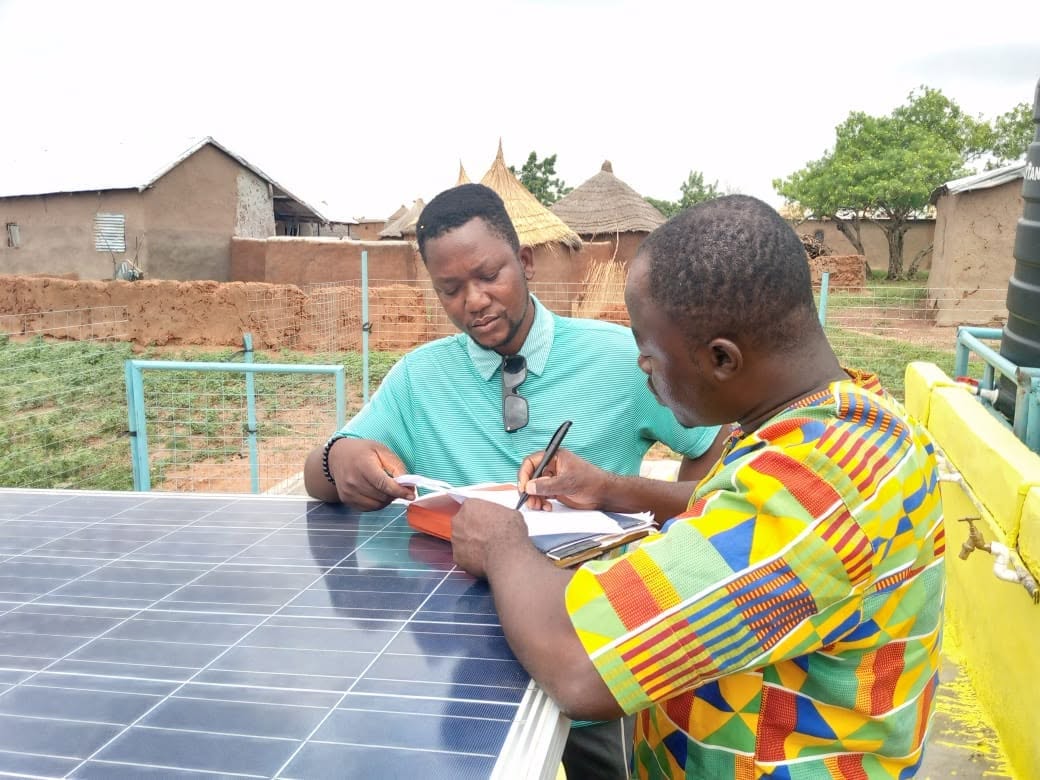
We support access to reliable water through tube wells, borehole drilling, rope pump installation, water supply systems and the rehabilitation of existing water facilities.
Sanitation and Hygiene
We promote improved household sanitation, handwashing facilities, safe water handling and hygiene practices that contribute to healthier communities.
Rainwater Harvesting
We promote rainwater harvesting systems that help households collect and store rainwater for appropriate domestic use.
Water Treatment and Safe Storage
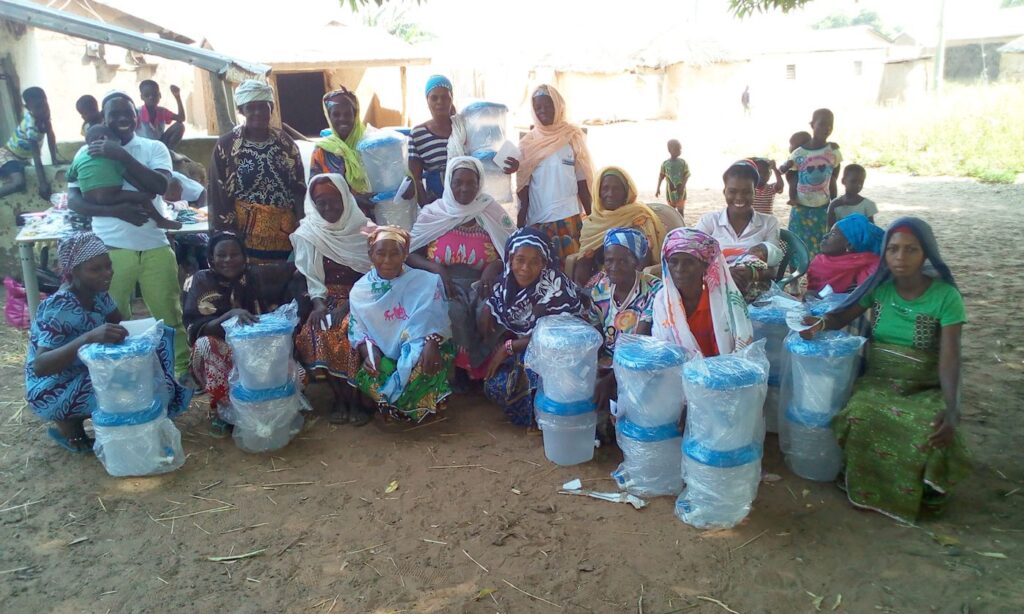
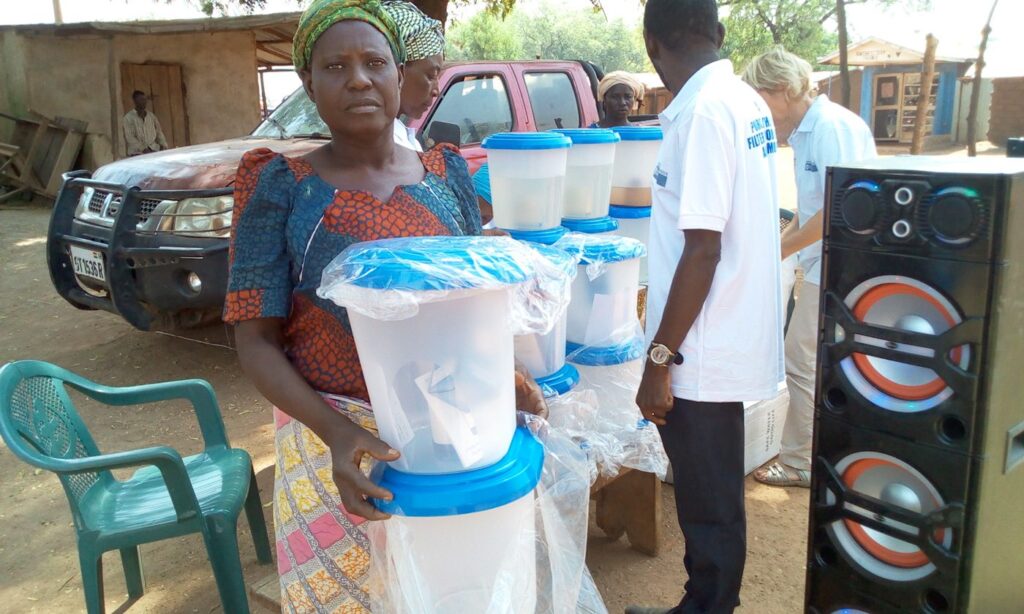
We support household water treatment and safe storage solutions that help families manage drinking water more safely.
Technical and Vocational Training
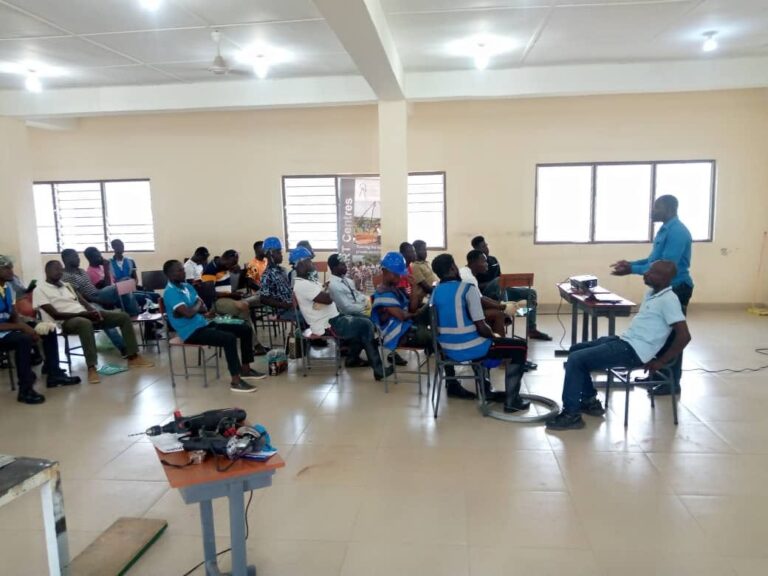
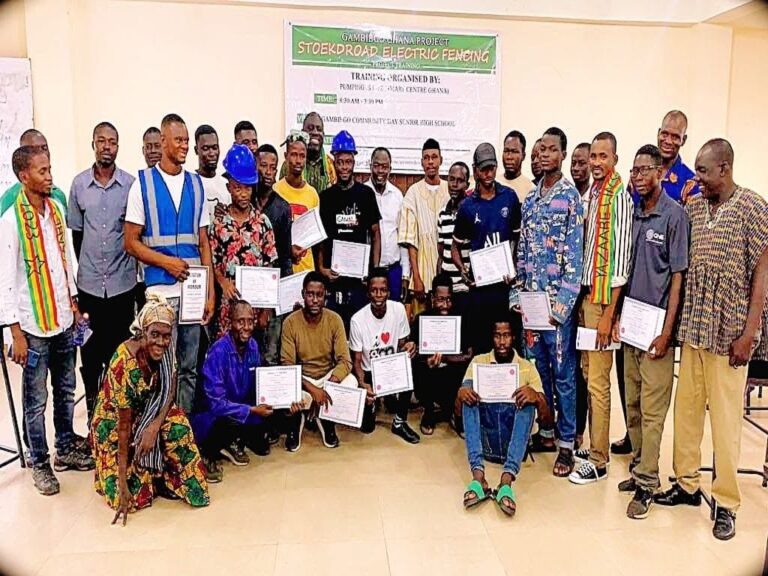
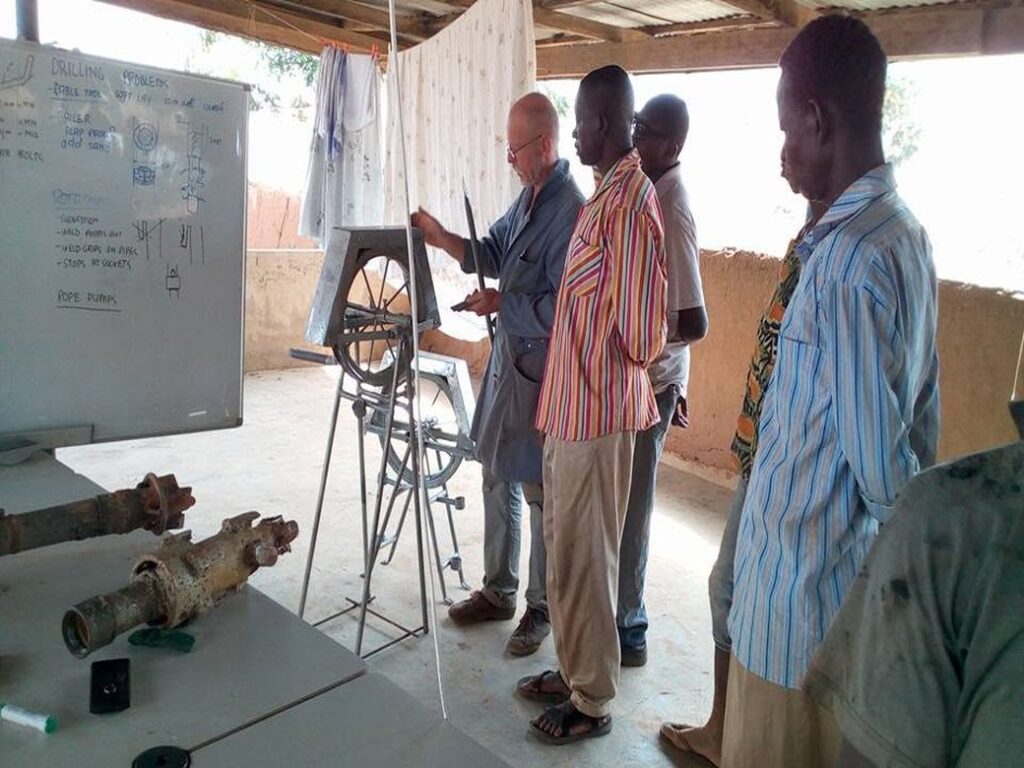
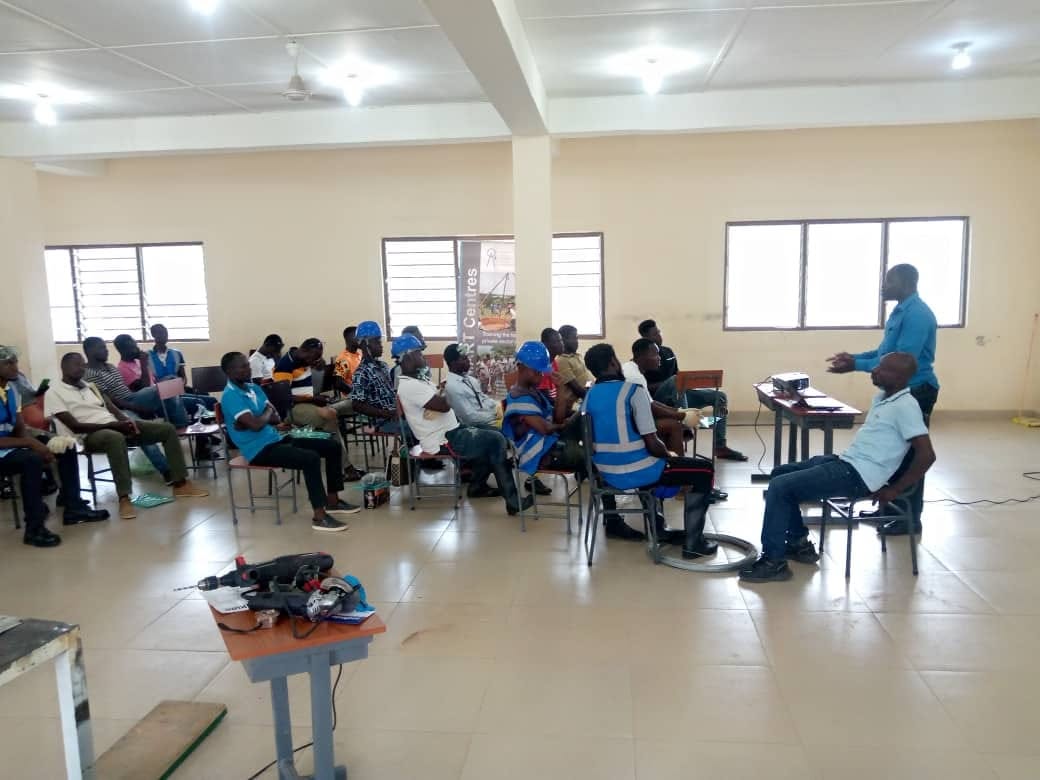
We strengthen local technical skills and entrepreneurship through practical training in water supply, sanitation technologies, maintenance and related services.
Sustainable Irrigation
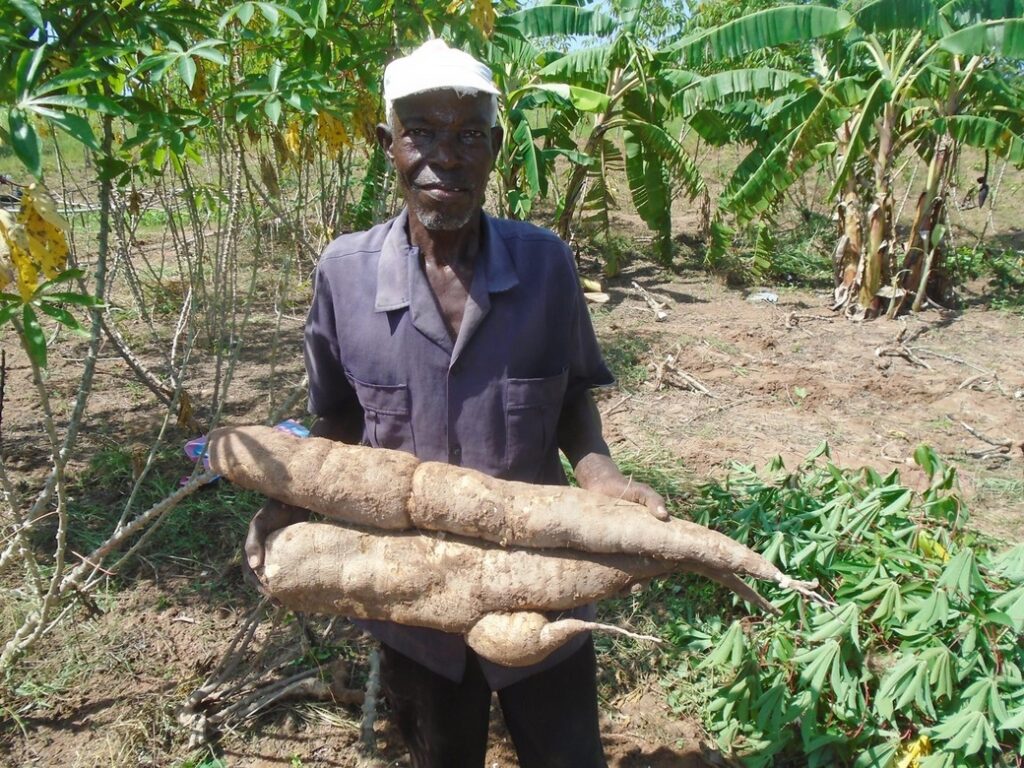
We promote small-scale, household-managed irrigation solutions that support agricultural productivity and improved livelihoods.
Our programmes
Creating Lasting Impact Through Practical Solutions
WASH Technical and Vocational Entrepreneurship Training
We promote technical and vocational training that equips individuals and local entrepreneurs with practical skills to participate in the water, sanitation and hygiene sector.
WASH Projects Based on Appropriate Technology
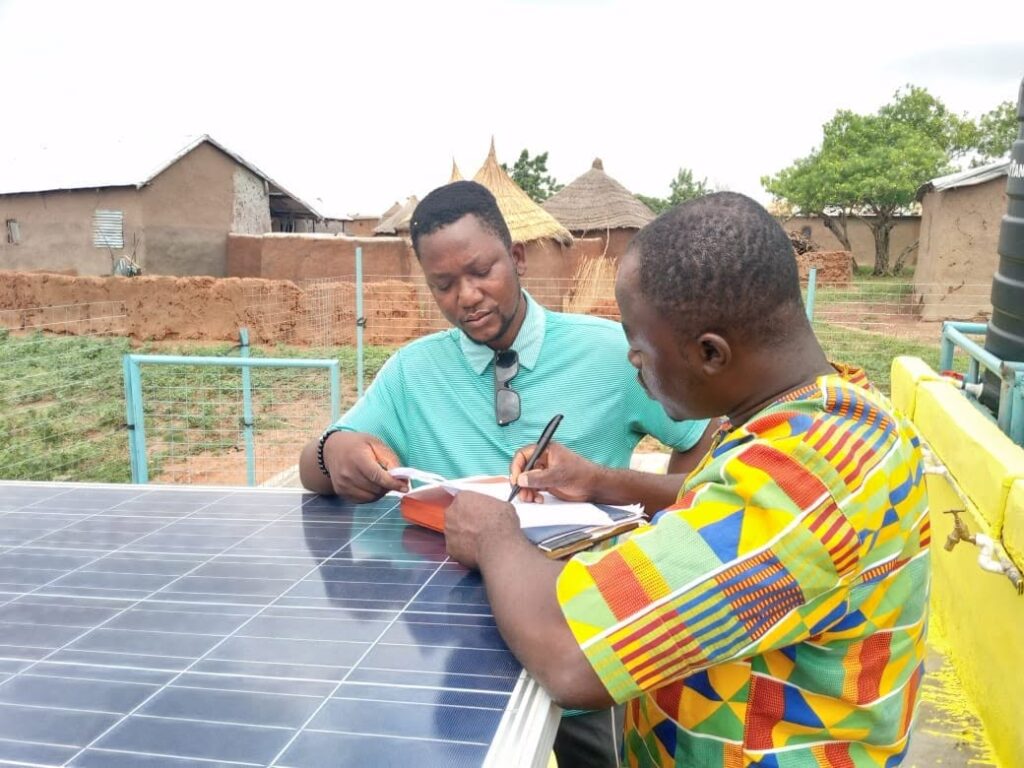
We implement solutions that respond to local needs while promoting affordable, accessible and maintainable technologies.
WASH i-Maintenance Centers
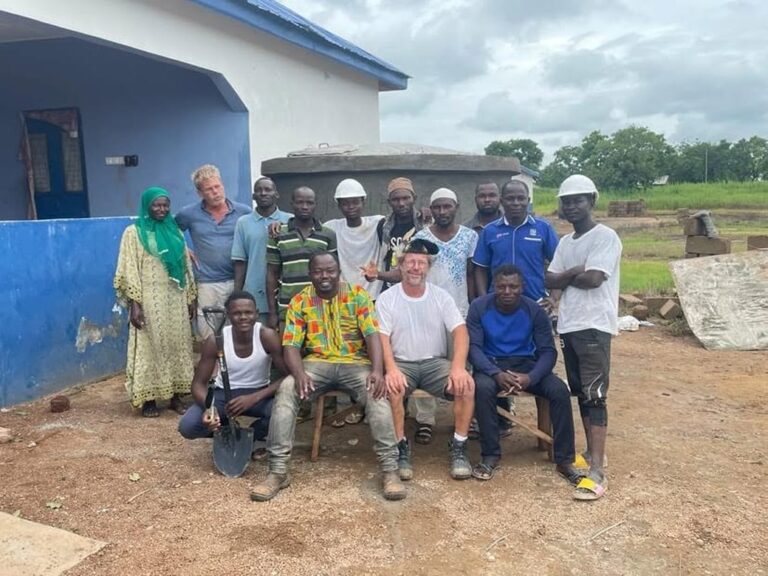
We support local maintenance capacity and service delivery to help improve the reliability and sustainability of water and sanitation facilities.
Small-Scale Household-Managed Irrigation
We promote irrigation solutions that support household food production, agricultural productivity and improved livelihoods.
Our approach
Sustainable Solutions Start With Strong Communities
We believe that successful development requires more than installing infrastructure. It requires building local capacity, encouraging ownership and ensuring that communities can maintain the solutions provided. Our approach is built around four principles.
01
Community Participation
Involving local people in identifying needs and developing suitable solutions.
02
Appropriate Technology
Promoting practical and affordable technologies suited to local conditions.
03
Local Capacity Development
Supporting training, entrepreneurship and technical knowledge.
04
Long-Term Sustainability
Encouraging maintenance, ownership and reliable service delivery.
News and project highlights
Stories of Progress and Community Development
Discover our activities, project milestones, training programmes and stories from the communities where we work.
Making a Difference Through Sustainable Development
Our work contributes to improved access to clean water, better sanitation, stronger technical skills and more resilient communities.
Water supply facilities supported
Communities reached through WASH interventions
Households supported with sanitation facilities
Individuals trained in technical and vocational skills
Irrigation and rainwater harvesting systems implemented
Companies We Work For
Sponsors and partners
Working Together for Sustainable Communities
We recognize the importance of collaboration in achieving sustainable water, sanitation and hygiene development. Through partnerships, technical collaboration and community engagement, we work towards practical solutions that improve lives.
Geoscientists Without Borders
Project Partner
Society of Exploration Geophysicists
Project Explanative
Together, We Can Make Clean Water and Better Sanitation Accessible to More People.
Every sustainable solution begins with commitment and collaboration. Join us in supporting healthier communities, stronger local capacity and improved access to essential services.